How epoxy types affect bond strength, durability and long-term performance.
Water‑based epoxy, solvent‑based epoxy and 100% solids epoxy appear on specifications every day – but the labels don’t always reflect how these systems actually perform.
The practical question is simple: are you working with a diluted epoxy system, or a 100% solids epoxy that delivers full performance?
What is solvent‑based epoxy?
The term “solvent‑based epoxy” is widely used across the industry. In practice, it describes epoxy resins with solvent added, usually to reduce viscosity or to cut up-front costs.
Adding solvent reduces the proportion of actual resin in the mix. As a result, not all of what is applied becomes part of the final cured material – or contributes to long-term performance.
Particularly in demanding environments, this dilution can affect performance by:
- lowering bond strength
- increasing shrinkage
- reducing chemical resistance
- decreasing durability.
What is water-based epoxy?
Water-based epoxy contains water in the formulation, typically giving a solids content around 60% or less. As the material cures, some of the water evaporates rather than becoming part of the final material.
That’s why water-based epoxy is usually chosen for low-traffic coatings or temporary surface protection, such as providing early access to new concrete as it cures.
Compared with 100% solids epoxy, water-based systems typically provide:
- lower bond strength
- reduced chemical resistance
- reduced durability
- greater sensitivity to moisture and site conditions during curing.
For that reason, water-based epoxy is not recommended for applications where ongoing load, traffic, abrasions or chemical exposure are expected.
100% solids epoxy: no dilution, full performance
A 100% solids epoxy formulation contains no added solvent or water. There is no methylene chloride, acetone or toluene – and every component in the mix becomes part of the final cured material.
Without dilution, 100% solids epoxy systems maximise strength, durability, lifespan and resistance to chemicals and impact. They are also non‑flammable, which is a significant safety advantage in many industrial and infrastructure environments.
With no added solvent, these systems avoid the higher VOC levels associated with solvent-added formulations, supporting safer working conditions and reduced environmental impact.
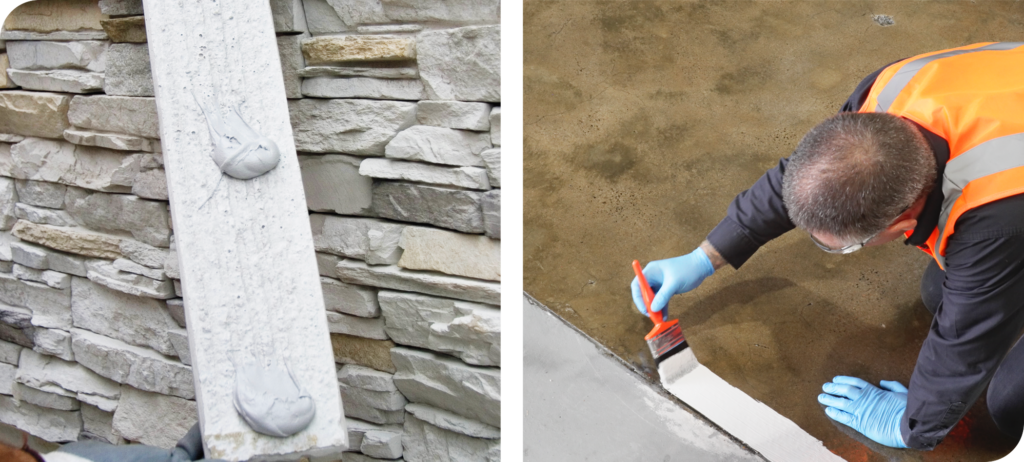
Almost all Megapoxy solutions are 100% solids epoxy systems, backed by rigorous quality standards and testing. They are trusted for applications where performance is critical, including:
- bonding and securing structural elements and cladding
- strengthening and repairing cracked or spalled concrete
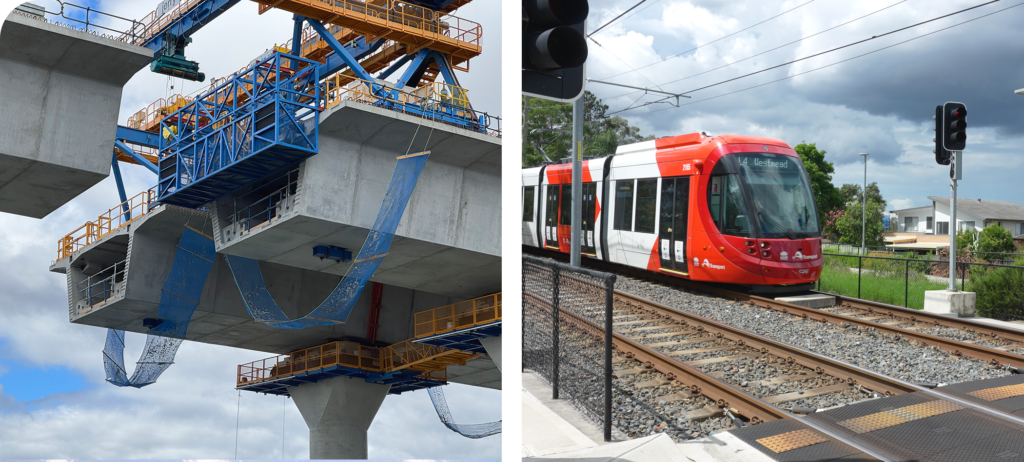
- grouting and anchoring machinery, rail systems and bridge components
- protecting assets such as heavy‑duty flooring and water infrastructure that are exposed to water, chemicals, impact and abrasion.
Water-based vs solvent-based vs 100% solids epoxy: comparison
| Solvent‑based epoxy | Water‑based epoxy | 100% solids epoxy | |
| What’s in the mix | Epoxy resin with solvent added to reduce viscosity or cost | Epoxy resin with water in the formulation | Epoxy resin and hardener only, no added solvent or water |
| Typical solids content | Can be around 50% when solvent is added (1:1 dilution) | Around 60% or less | 100% |
| Bond strength | Lower | Lower | High |
| Chemical resistance | Reduced | Reduced | High |
| Durability | Reduced | Lower | High, long‑term |
| Shrinkage / voids | Increased shrinkage as solvent evaporates | Some shrinkage as water evaporates | Low shrinkage |
| Flammability / VOCs | Often flammable and higher in VOCs | Generally low odour but still contains some volatile components | Non‑flammable, usually low to very-low VOC |
Why this matters in heavy-duty applications
Water-based epoxy, solvent-based epoxy and 100% solids epoxy are not interchangeable – and each is suited to different roles.
100% solids epoxy systems are recommended where:
- bond strength must be maintained over the life of the structure
- exposure to chemicals, water or abrasion is expected
- structural elements, rail systems or machinery must remain secure under load
- downtime, repairs and premature failure carry high cost or safety risk.
That is why Megapoxy 100% solids epoxy systems are trusted for heavy-duty and structural applications, where the long-term performance is critical.
Choosing between water-based, solvent-based and 100% solids epoxy?
For heavy-duty applications, formulation matters. We can recommend the right system based on your application, load conditions and environment. Contact us today or find your closest distributor.