How the right epoxy systems protect against chemical exposure, UV, saltwater and moisture – supporting longer service life in demanding environments.
Demanding environments can shorten the service life of industrial assets long before they reach the end of their design life. Once deterioration starts, maintenance, repairs and downtime can all become regular and costly headaches.
That’s why it’s crucial to choose an epoxy solution, including industrial protective coatings, for the conditions your project will face – a system designed and tested for its specific chemical, moisture, weather and mechanical demands.
Once cured, epoxy systems form a dense, durable barrier that helps protect the substrate from moisture, chemicals and other contaminants. So, for asset owners and specifiers, the right system can support longer asset life, fewer repairs and reduced maintenance over time.
Chemical resistance and industrial protective coatings
Chemical exposure varies widely, so the right protection depends on chemical type, exposure length and substrate condition. Megapoxy also carries out internal immersion testing to assess how formulations retain properties such as hardness and physical integrity under prolonged chemical exposure.
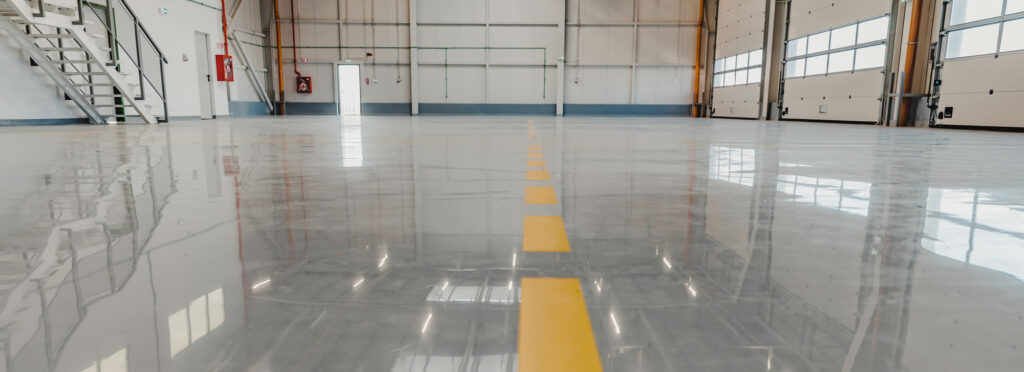
A concrete floor for a boat showroom, for example, may be exposed to fuel, oil and other chemicals. Megapoxy LVS can penetrate and seal porous concrete, while Megapoxy MC provides a hard-wearing, chemically resistant protective coating.
In some food and beverage facilities, the challenge can include detergents, sanitising chemicals and hot washdowns. Megapoxy MC2 provides heavy-duty chemical resistance, with faster work and re-coating times helping to reduce shutdown time.
In water and wastewater infrastructure, the demands vary by asset – for example:
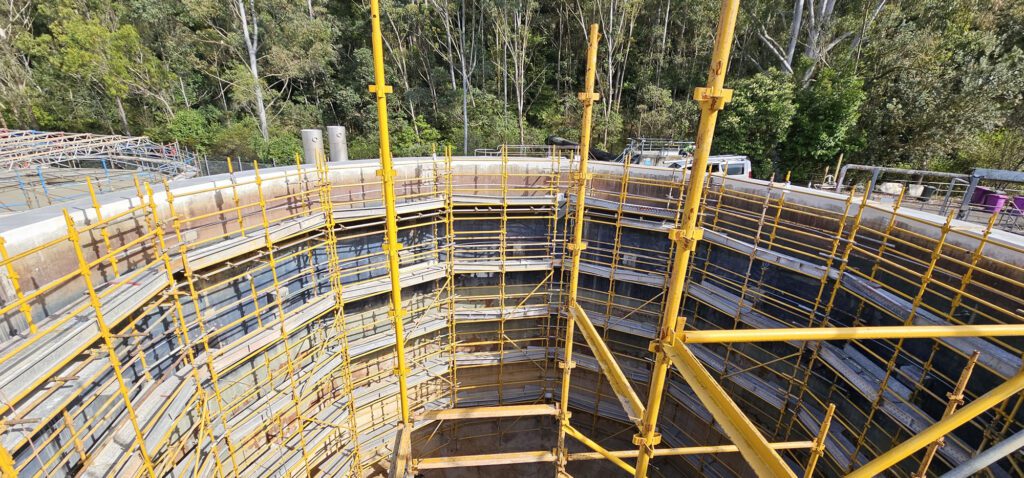
- Stormwater pits and valve chamber segments: Megapoxy LVS can seal the concrete before Megapoxy MC is applied to protect against seepage, corrosion and hydraulic erosion.
- Wastewater digesters exposed to heat, chemicals and prolonged water exposure: for digester upgrades, Megapoxy 206 Ultra has been used to rebuild and level worn concrete rims – providing a high-strength, level surface for a reliable seal between the concrete tank, rubber layer and steel cover.
Weather durability: accelerating years of outdoor exposure
Climatic exposure can lead to fading, discolouration, blistering, cracking and surface degradation.
That’s why it’s vital to test industrial epoxy coatings and formulations for their ability to withstand intense weather conditions – but waiting years to see how they respond outdoors isn’t practical.
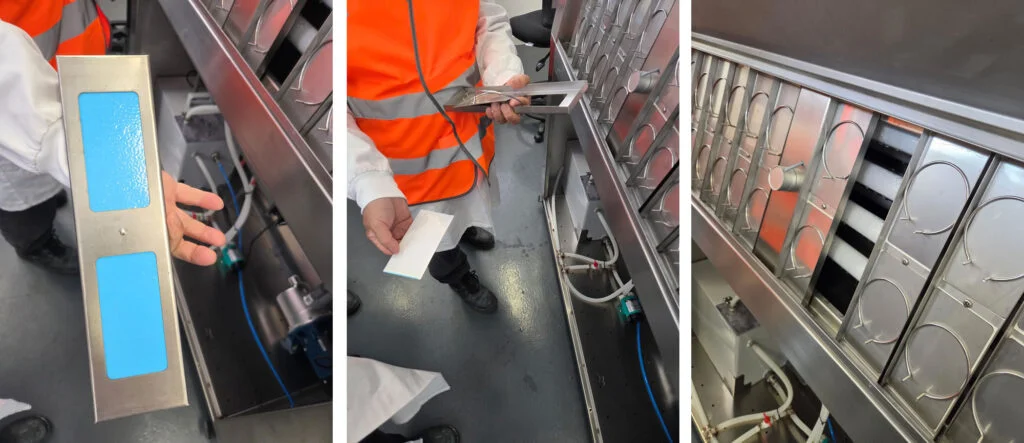
Megapoxy uses a UV Weathering Testing Chamber to accelerate the process, exposing coated panels to cycles of UV light, heat and moisture that simulate climatic exposure. A few days or weeks in the chamber can reproduce months or years in the great outdoors – exposing damage pathways long before they would appear in the field.
The Quality and R&D teams monitor changes to validate performance, compare formulations and identify opportunities to improve durability.
The results help Megapoxy develop and refine industrial protective coatings and other epoxy systems for the conditions they’re designed to handle: from UV exposure and moisture cycling to salt air and surface wear.
This gives specifiers greater confidence that a system has been assessed against the kinds of environmental pressures it will face, year after year.
And where appearance is important, products like Megapoxy 63 offer excellent resistance to yellowing for visible natural-stone bonding applications.
Marine environments
Marine and coastal environments bring together moisture, salt, UV and movement. Work often has to be completed on wet substrates, below the waterline or through tidal zones.
Here are just some examples of epoxy solutions at work:
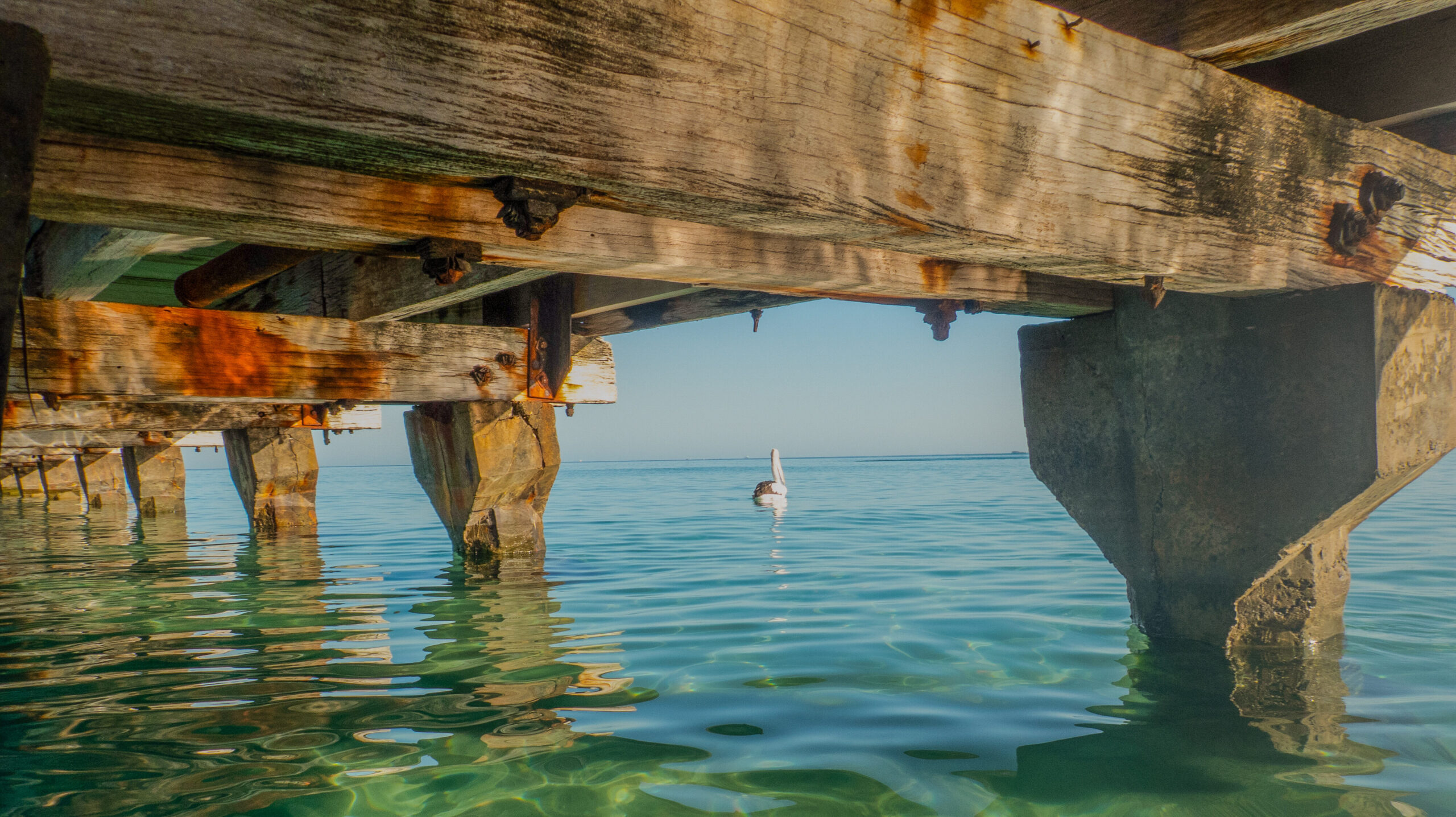
- Deteriorated timber and steel wharf piles, where repairs need to be carried out underwater and scheduled around tides and shipping movements: Megapoxy 206 Ultra has been used for structural grouting and void filling, with the rehabilitation designed to extend pile service life by decades.
- Wet, submerged and difficult-access repairs: Hydrophilic Megapoxy H and HT can bond to damp or wet substrates, allowing repairs where dry conditions aren’t practical. HT’s high-build consistency also suits vertical, overhead and underwater work.
- Cracked marine hulls: For a ferro-cement yacht hull, high-flow Megapoxy HX was injected deep into the cracks to prevent further corrosion and restore structural integrity – using Megapoxy’s unique crack injection repair system.
Need help specifying for a demanding environment?
Find your local distributor or talk to our team about your project.
Found this useful?
Subscribe below to receive future technical guides, case studies and practical application advice directly to your inbox.